The Friendsgiving Hosting Trap
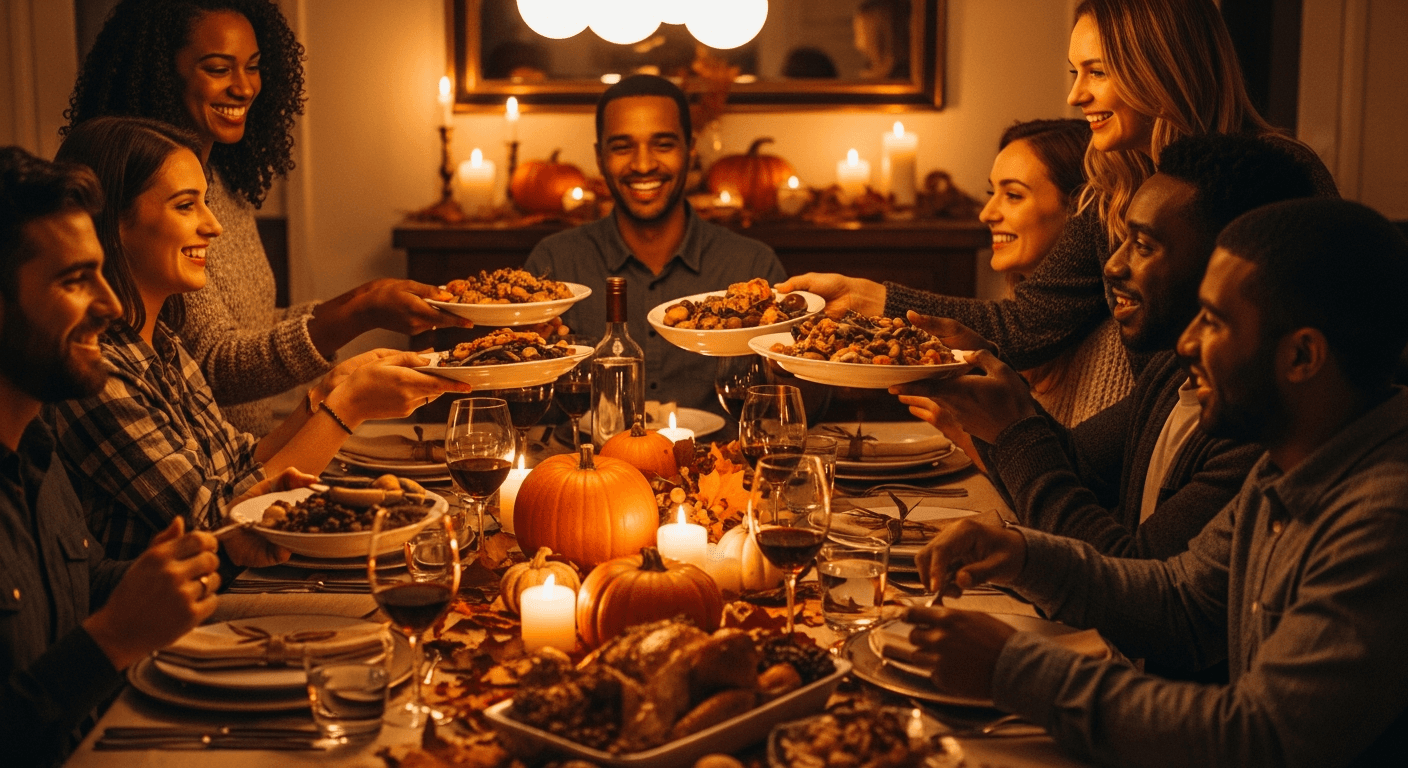
Friendsgiving is one of the best traditions to emerge in the last decade. A dinner with your chosen family, somewhere around Thanksgiving, where the food is abundant, the company is warm, and nobody is asking about your dating life or career trajectory. It's Thanksgiving without the family stress.
But there's a hidden cost to hosting Friendsgiving, and it falls almost entirely on one person. The host buys the turkey—$50-$80 depending on size. They buy the sides that require actual cooking: mashed potatoes, stuffing, gravy, roasted vegetables. They provide the plates, silverware, napkins, and drinks. They clean their home before and after. The total hosting cost can easily hit $300-$500 for a dinner of twelve.
Meanwhile, guests bring a bottle of wine, a store-bought pie, or a bag of dinner rolls. The effort asymmetry is massive. And the host, not wanting to seem ungrateful or demanding, smiles through it while quietly adding up the numbers.
Why the Potluck Model Is Broken
The potluck is the default Friendsgiving format. Everyone brings a dish. In theory, it's fair. In practice, it's chaos. You end up with three salads, no main course, and seven desserts. Or one person brings a beautifully prepared homemade dish that took hours, and someone else brings a bag of chips.
The potluck doesn't account for the infrastructure costs either. The turkey alone—the centerpiece of the meal—costs more than most individual side dishes combined. Whoever provides the turkey is already contributing significantly more than anyone who brings a pie.
More importantly, the potluck puts the burden of coordination on the host. They have to track who is bringing what, fill gaps when someone flakes, and make sure there's enough variety and volume to actually feed everyone. It's event management disguised as a casual dinner.
The Pool-and-Cook Approach
Here's a better model: pool the money, plan the menu together, and cook as a group. Create a Pooled pool for the total dinner budget. A generous Friendsgiving for twelve might run $400-$600, depending on how fancy you go. Split twelve ways, that's $35-$50 per person—less than eating out.
With the money collected, one or two people (not just the host) handle the shopping. Buy everything on the same trip so nothing is forgotten. Plan the menu together in the group chat so everyone feels included in the decisions.
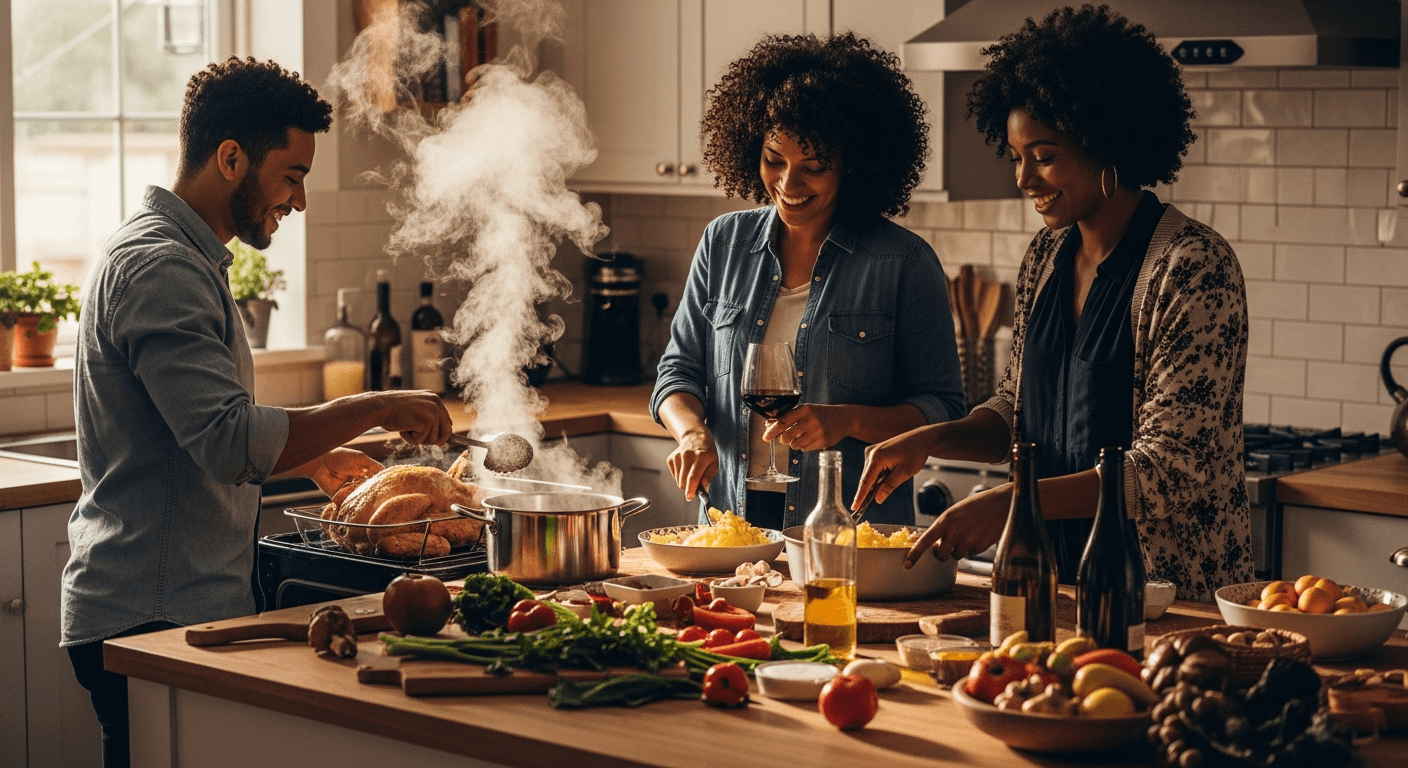
Then—and this is the magic part—cook together. Assign dishes based on skill and interest. The person who makes amazing pies handles dessert. The person who loves to grill manages the turkey. Everyone else pitches in on sides. The cooking becomes part of the celebration, not a burden shouldered by one person.
Setting Up the Friendsgiving Pool
Create a pool on Pooled with a festive title: "Friendsgiving 2026 - The Feast!" In the description, list the planned menu and estimated costs: "20 lb turkey: $60. Sides (potatoes, stuffing, veggies, cranberry sauce): $120. Drinks (wine, cider, sparkling water): $80. Desserts: $60. Supplies (plates, napkins, candles): $40. Total: $360. That's $30 per person for 12 guests."
Share the link with your Friendsgiving group at least two weeks before the dinner. This gives everyone time to contribute and gives the shopper time to plan. Set the contribution deadline a few days before the shopping trip.
The pool takes the financial burden off the host and distributes it fairly. No one person is subsidizing the celebration. And because everyone has invested in the meal financially, they're more invested in showing up, helping out, and making it special.
The Hosting Bonus
The person hosting Friendsgiving in their home is already contributing something significant: their space, their time cleaning and setting up, their kitchen, and their willingness to have twelve people in their living room. That contribution has real value.
Many Friendsgiving groups decide that the host doesn't contribute to the food pool, or contributes a reduced amount. This is a fair acknowledgment of their non-financial contribution. Mention it in the pool description: "Sarah is hosting, so her share is waived. The rest of us are covering the food!"
This small gesture makes hosting feel appreciated rather than exploitative. And it makes people more willing to host in the future, which keeps the tradition alive year after year.
Leftovers, Cleanup, and the Morning After
A well-pooled Friendsgiving has a clean ending. The money was collected before dinner. The food was purchased communally. There are no IOUs, no "I'll Venmo you," no financial loose ends.
When the dinner is over, organize a group cleanup instead of leaving it all to the host. Pack up leftovers—everyone takes some. Return the space to its pre-dinner state. The host's generosity was their home; the group's generosity is leaving it clean.
And when November rolls around next year and someone says "Friendsgiving again?" the answer is an easy yes—because last year was stress-free, fairly funded, and genuinely fun.
Gratitude, Not Guilt
Friendsgiving is about gratitude for the people you've chosen to call family. It's about gathering around a table, sharing food, and being present with the people who make your life better. None of that requires one person to quietly absorb $400 in expenses.
Pool the costs. Cook together. Celebrate together. Clean up together. That's Friendsgiving done right—a meal built by the community, for the community.
Because the best Friendsgivings aren't measured by how fancy the turkey is or how Instagram-worthy the table looks. They're measured by whether everyone felt included, appreciated, and genuinely thankful. And that starts with making sure the financial load is shared.